The Color Blue in Ancient Egypt: A Symbol of Life, Heaven, and the Divine

Among all the colors used in Ancient Egypt, none held greater symbolic importance than blue. More than a decorative choice, blue represented the sky, the life-giving waters of the Nile, creation, rebirth, and the realm of the gods. It reflected the Egyptians’ deep connection to nature and their belief in eternal life.
The Meaning of Blue
To the ancient Egyptians, blue symbolized:
- The Sky: The home of the gods and the universe itself.
- The Nile River: The source of fertility, abundance, and life.
- Creation and Rebirth: Blue represented the primeval waters from which the world was believed to have emerged.
- Protection and Healing: Blue amulets and jewelry were worn to ward off evil and bring divine protection.
- Eternity: The endless blue sky and flowing Nile became symbols of everlasting life.
Egyptian Blue: The World’s First Synthetic Pigment
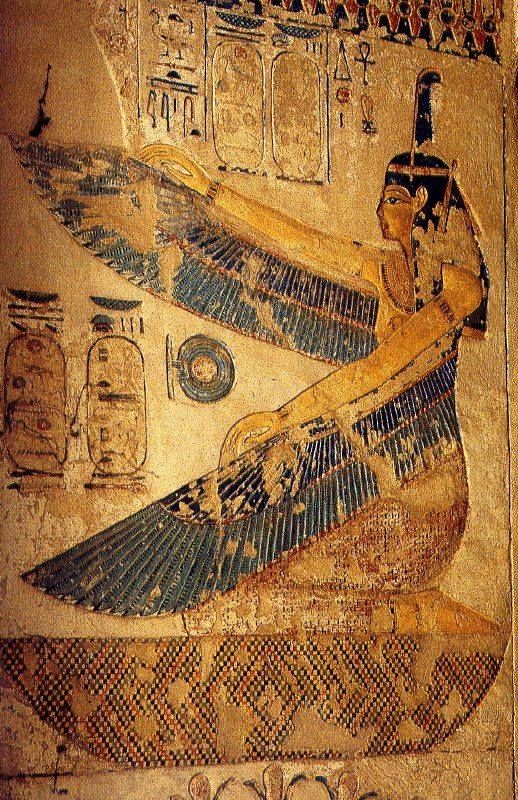
Around 2600 BCE, Egyptian craftsmen created what is now known as Egyptian Blue, considered the world’s first synthetic pigment. Made by heating silica, copper, calcium, and alkali minerals at high temperatures, it produced a brilliant blue color unlike any naturally occurring pigment available at the time.
Its invention demonstrated the remarkable scientific and artistic achievements of Ancient Egypt, and the pigment remained in use for more than three thousand years.
Blue in Egyptian Art and Architecture
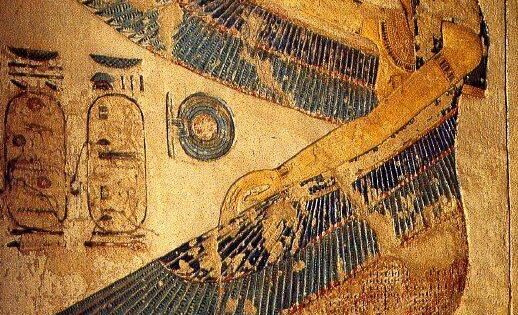
Blue appeared throughout temples, tombs, sculptures, and jewelry. Artists used it to depict:
- The heavens on temple ceilings are often filled with golden stars.
- The waters of the Nile and scenes of creation.
- The hair and beards of certain gods, emphasizing their divine nature.
- Lotus flowers, symbols of rebirth and the rising sun.
- Decorative faience tiles, statues, and ceremonial objects.
Many royal tombs feature deep blue ceilings representing the night sky, allowing the deceased to journey among the stars.
Blue and the Gods
Several Egyptian deities were closely associated with blue:
- Amun was sometimes portrayed with blue skin, symbolizing his invisible, cosmic nature.
- Khnum, the creator god linked to the Nile, reflected blue’s association with life and creation.
- Protective deities and sacred objects often incorporated blue stones such as turquoise and lapis lazuli to invoke divine power.
Legacy
The significance of blue in Ancient Egypt extended far beyond aesthetics. It embodied the forces that sustained life, connected humanity to the gods, and promised renewal after death. Today, Egyptian Blue continues to fascinate historians, archaeologists, and scientists, standing as both an artistic masterpiece and one of humanity’s earliest technological innovations.
More than 4,000 years later, the brilliant blue of Ancient Egypt remains one of the civilization’s most enduring symbols representing life, wisdom, protection, and eternity.