Pharaohs & Self care: The Ancient Egyptian Guide to Clean Living

Ancient Egypt is often remembered for its pyramids, temples, and monumental history, but one of its most fascinating legacies lies in something far more personal: hygiene. Long before modern medicine and sanitation systems, the ancient Egyptians developed remarkably advanced practices to care for their bodies, blending cleanliness with spirituality, science, and daily ritual.
Cleanliness as a Way of Life
For the ancient Egyptians, hygiene was not simply about appearance or comfort. It was deeply tied to religion and social order. Cleanliness symbolized purity, and purity was essential for both daily life and spiritual practice. This belief shaped everything from bathing habits to grooming rituals, making personal care an integral part of their culture.
The Power of Natron and Oils
One of the key elements in Egyptian hygiene was natron, a naturally occurring salt mixture found in dry lake beds. It was widely used for cleansing the body, acting as a natural disinfectant and deodorizer. Combined with water, natron helped remove dirt and oils from the skin.
After cleansing, Egyptians often applied scented oils and ointments made from ingredients like frankincense and myrrh. These oils were not just cosmetic, they protected the skin from the harsh desert climate, prevented dryness, and added a pleasant fragrance. In many ways, this mirrors today’s skincare routines, where hydration and protection are essential.
Shaving and Ritual Purity
Hair, in ancient Egyptian belief, was associated with impurity. As a result, many Egyptians, especially priests, regularly shaved their heads and bodies. Priests followed strict purification routines, shaving every few days to maintain a state of ritual cleanliness before entering temples.
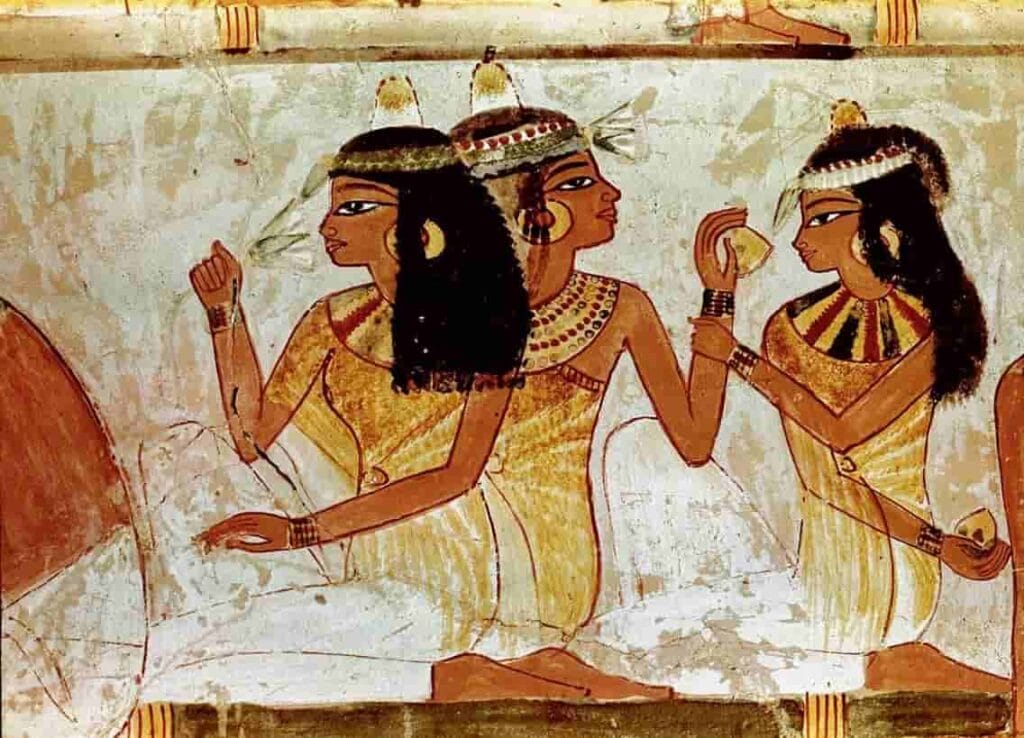
Wigs were commonly worn in place of natural hair, serving both hygienic and aesthetic purposes. They protected the scalp from the sun while allowing individuals to maintain a polished appearance without compromising cleanliness.
Early Innovations in Oral Care
Oral hygiene was another area where the Egyptians were surprisingly advanced. They developed early forms of toothpaste using a mixture of powdered ox hooves, ashes, and burnt eggshells. While this may sound abrasive by modern standards, it was effective in cleaning teeth and maintaining oral health.
There is also evidence that they used chewing sticks and other tools to clean their teeth, highlighting a clear awareness of dental care long before the invention of modern toothbrushes.
Kohl: Beauty with a Purpose
Perhaps one of the most iconic aspects of ancient Egyptian appearance is the use of kohl around the eyes. While it is often associated with beauty, kohl had practical and medicinal purposes as well. Made from ground minerals such as galena, it helped reduce glare from the intense sun and was believed to protect against eye infections.
Modern research even suggests that certain compounds in kohl may have had antimicrobial properties, reinforcing the idea that Egyptian beauty practices were closely tied to health and protection.
Medicine and Hygiene Intertwined
The connection between hygiene and medicine in ancient Egypt is best illustrated by the Ebers Papyrus, one of the oldest known medical documents in history. Dating back to around 1550 BCE, it contains detailed information on treatments for skin conditions, wounds, dental issues, and more.
This text reveals a sophisticated understanding of the human body and emphasizes preventive care. Cleanliness was not just about avoiding discomfort; it was a proactive way to maintain health and prevent disease.
A Legacy That Still Resonates
What makes ancient Egyptian hygiene practices so compelling is how relevant they remain today. Their use of natural ingredients, focus on prevention, and integration of physical and spiritual well-being reflect ideas that continue to shape modern wellness trends.
In ancient Egypt, cleanliness was more than a routine. It was a philosophy that connected the body, mind, and environment, creating a holistic approach to health that we are still rediscovering thousands of years later.