Reflecting on the Holidays: Individuating vs. the Tribe

There is something quietly brutal about the holidays.
They arrive wrapped in nostalgia and expectation, carrying the perfume of childhood, the weight of rituals, and the unspoken demand to belong. Tables get longer. Conversations get louder. Old jokes resurface. Old wounds, too. And somewhere in the middle of all that warmth and familiarity, something in us often tightens.
It is not because we do not love our families. It is because being with our tribe confronts us with a very old question:
Who am I now… and who am I allowed to be here?
The holidays have a strange way of collapsing time. We may be forty, accomplished, self-aware, spiritually literate, emotionally evolved—yet the moment we step back into the living room of our childhood, our nervous system remembers a very different version of us. The good child. The rebellious one. The peacemaker. The invisible one. The achiever. The disappointment. The golden child. The black sheep.
And before we realize it, we are no longer operating from the adult self we’ve carefully built, but from the role we were assigned decades ago.
This is the quiet battlefield of individuation.
What individuation actually means
Individuation is not rebellion. It is not abandonment. It is not selfishness.
It is the slow, often painful process of becoming who you truly are—rather than who you were shaped to be in order to survive, be loved, or stay connected.
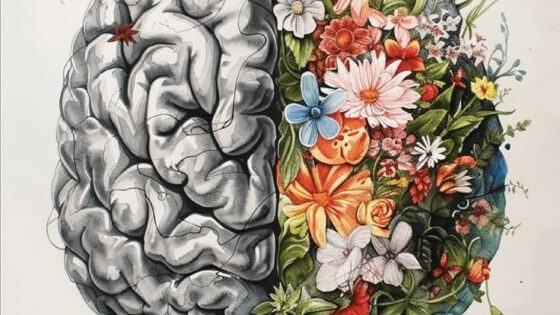
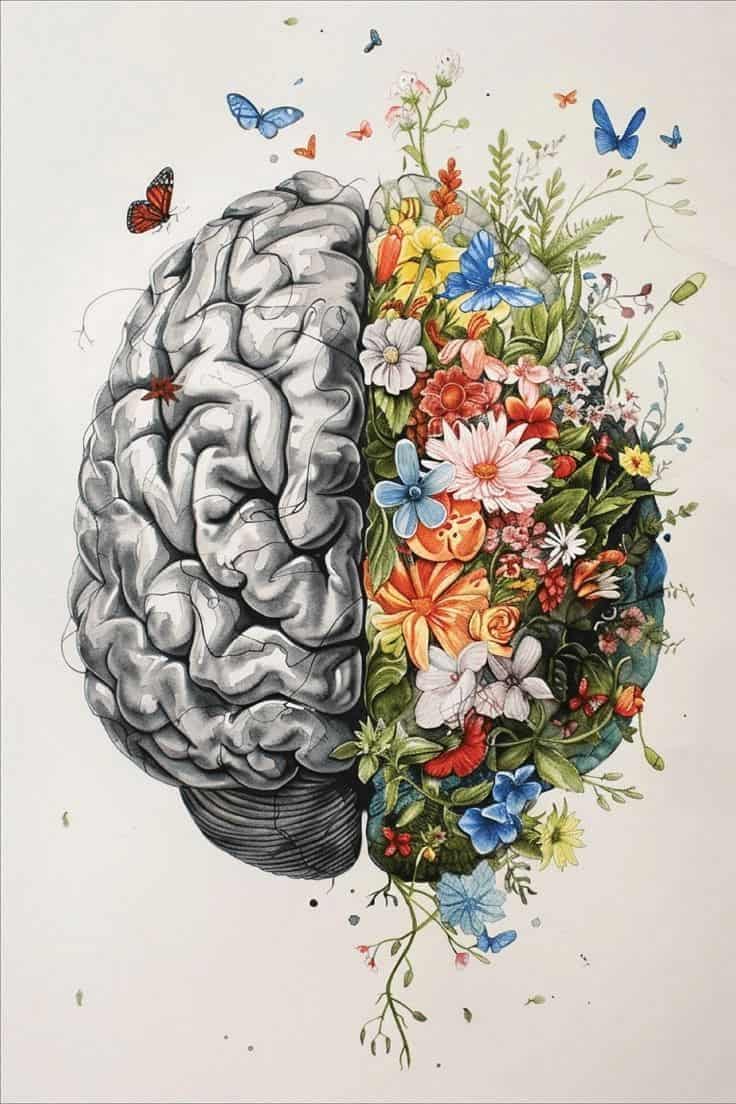
Carl Jung described individuation as the integration of the conscious and unconscious parts of the psyche into a coherent, whole self. But in lived experience, individuation feels far more mundane and far more terrifying.
It looks like having different values than your family.
It looks like choosing a different life rhythm.
It looks like not wanting what everyone else wants.
It looks like not laughing at jokes that no longer feel true.
It looks like silence where you once performed.
It looks like outgrowing the tribe without wanting to lose it.
And that is where the tension begins.
Because humans are wired for belonging long before they are wired for self-expression.
Long before we knew who we were, we learned who we needed to be to stay safe inside the group.
The tribe is our first nervous system regulator.
Our first mirror.
Our first definition of “normal.”
To step outside of it, even internally, can feel like a small existential threat.
Why the holidays activate everything
The holidays are not just about food and gatherings. They are about proximity to the origin.
They place us back inside the emotional ecosystem that formed us.
Even the most conscious, regulated, healed adult can feel themselves subtly shrinking, performing, or bracing when they are back in that field. This is not a weakness. It is conditioning.
Your body learned who you were allowed to be here.
So when you come back changed—more honest, more boundaried, more embodied, more slow, more unconventional—it can feel like you are betraying something ancient and unspoken.
You might hear it in the comments:
“You’ve changed.”
“You’re not as fun anymore.”
“You used to be more like us.”
“Why are you so sensitive now?”
“Why do you always need space?”
What they often mean is:
“You no longer play the role that made us comfortable.”
Individuation disrupts the emotional economy of the tribe.
Every family system unconsciously organizes itself around certain roles: the caretaker, the scapegoat, the mediator, the achiever, the clown. These roles keep the system stable, even if they are painful. When one person changes, the entire system feels the instability.
And systems, like nervous systems, prefer what is familiar—even if it is not healthy.
The grief of outgrowing
One of the most overlooked aspects of individuation is grief.
Grief for the version of you who belonged effortlessly.
Grief for the illusion that you could be fully yourself and fully accepted by the same people.
Grief for the fantasy that growth would be celebrated.
Sometimes it is. Often it is not.
As you individuate, you may find that certain conversations no longer land. Certain jokes feel hollow. Certain dynamics feel unbearable. You are no longer willing to betray yourself to keep the peace.
And this can feel incredibly lonely, especially during the holidays when everyone else seems to be swimming in belonging.
But here is the quiet truth:
Belonging that requires self-abandonment is not belonging.
It is emotional exile in disguise.
Individuation does not mean disconnection
There is a dangerous myth that to become yourself, you must leave everyone behind.
That is not individuation. That is a reaction.
True individuation is far more subtle—and far more courageous.
It is staying in a relationship without disappearing.
It is holding your truth without attacking.
It is allowing others to be who they are while no longer pretending to be who you are not.
This is the hardest work.
Because it means you may sit at the same table, hear the same comments, feel the same pressure—and still choose not to contract.
You don’t argue.
You don’t explain.
You don’t perform.
You simply remain you.
And that changes everything.
Not because you force anyone else to change—but because the emotional gravity of the room shifts when one person is no longer playing their old part.
The nervous system’s role in the tribe
From a nervous system perspective, the tribe represents safety through predictability.
Even if your family was chaotic, your body learned the rules. It learned what to expect. It learned how to survive there.
When you individuate, you step outside of that predictability.
You speak differently.
You pause more.
You don’t rush to soothe.
You don’t overexplain.
You don’t perform your old coping strategies.
And this can feel threatening—not just to others, but to your own body.
You might feel guilt, anxiety, or a strange urge to “fix it” when the room gets quiet.
That urge is not moral.
It is neurological.
It is your nervous system trying to restore a familiar pattern of safety.
Learning to sit inside that discomfort without reverting is one of the deepest acts of self-trust.
Loving the tribe without losing yourself
There is a more mature form of love that emerges after individuation.
It is no longer based on approval or sameness.
It is based on clarity and presence.
You stop trying to be understood.
You stop trying to be validated.
You stop trying to be chosen.
You show up as you are—and let the relationship meet you where it can.
Some will meet you.
Some will not.
And both are information.
This is not a failure of love. It is an evolution of it.
Because real connection does not require you to amputate parts of yourself to fit.
The quiet power of being yourself at the table
This holiday season, you may notice moments where you feel different.
Less loud.
Less agreeable.
Less willing to engage in old loops.
More observant.
More inward.
That is not withdrawal.
That is individuation.
You are no longer performing belonging—you are embodying it.
And the paradox is this:
The more you become yourself, the more real your relationships become—even if there are fewer of them.
Because what remains is no longer built on roles, but on truth.
And truth, while sometimes lonely, is infinitely more peaceful.
So if you sit at the holiday table this year and feel a strange mixture of love and distance, warmth and grief, nostalgia and clarity, know this:
You are not broken.
You are becoming.
And becoming always feels like leaving something behind.
But what you are leaving behind is not love.
It is the version of you that had to pretend to earn it.
—
Joie de vivre is not about constant happiness. It is about the quiet, courageous choice to live in alignment with who you truly are—inside and outside the tribe.